La Cana, selected to be part of the 2023 Digital Equity Accelerator
18 Apr 2023

18 Apr 2023
18 Jun 2021
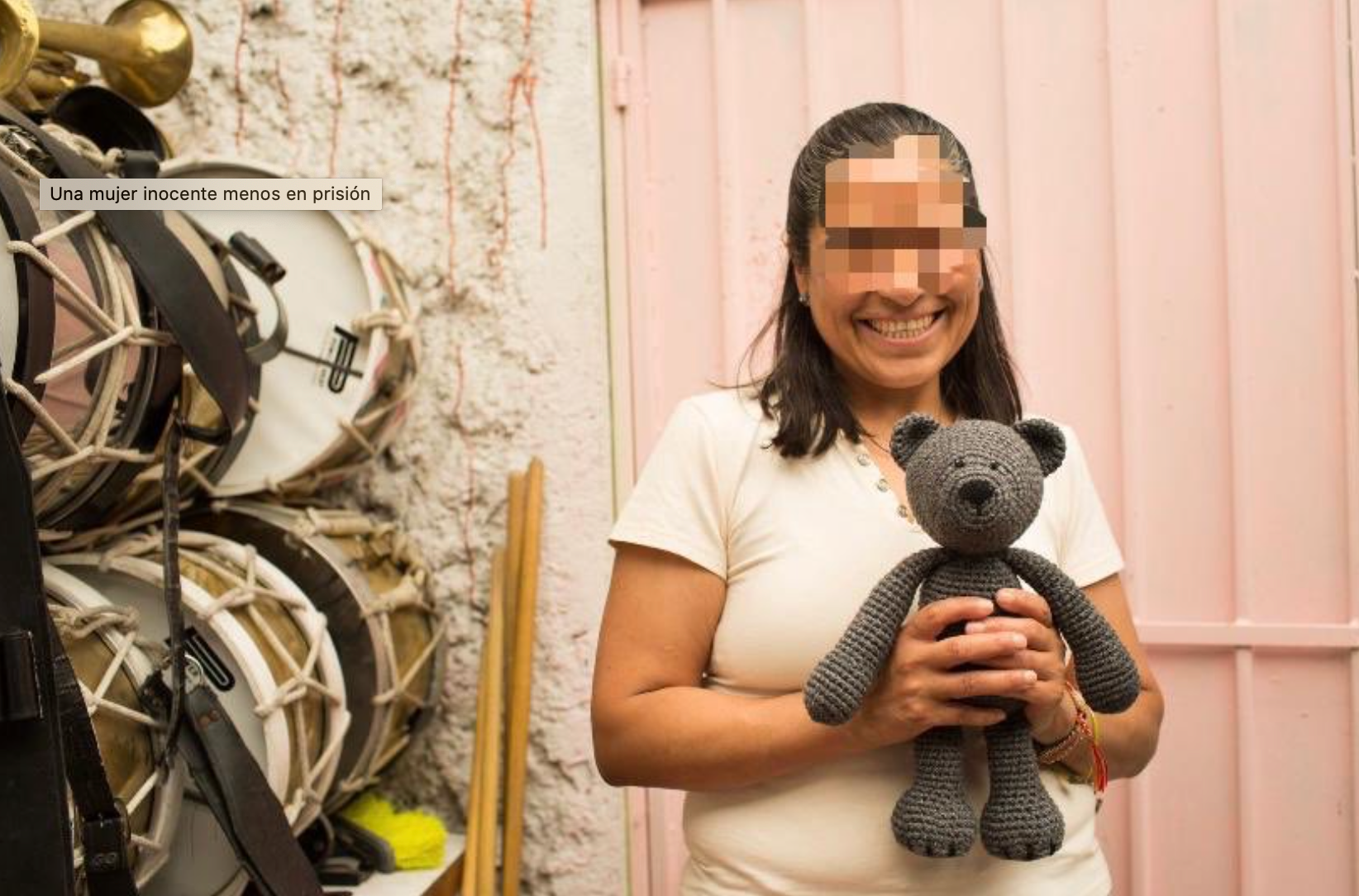
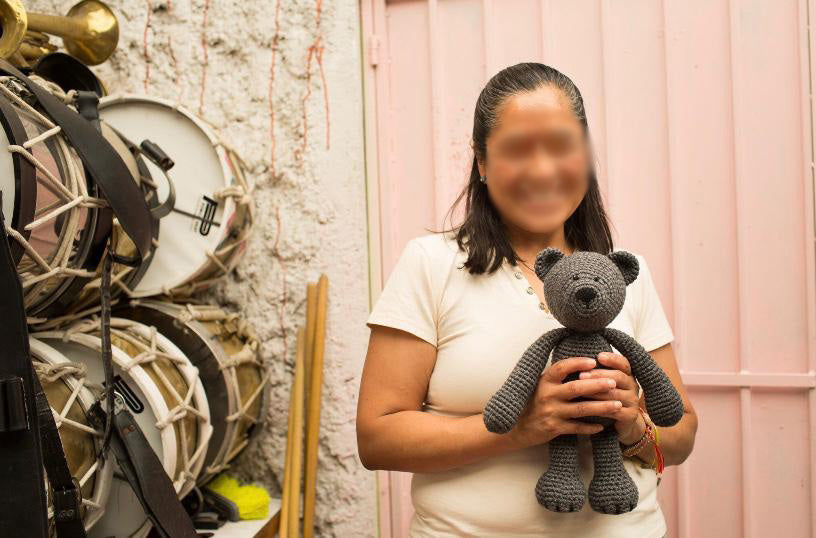
(Text previously published in Animal Político) María embroidered her story after being unjustly imprisoned for 7 years María's story and the injustice she suffered began seven years ago, outside a butcher shop in the State of Mexico. That was her husband's business. That day, when their lives turned upside down, he had a fight with a nephew, grabbed one of his knives, and killed him. Then, instead of facing responsibility for the death he caused with his own hands, he escaped. He left María alone. When the police arrived, they asked her to go and make a statement. If she wasn't the culprit, it would just be that, giving her version of what happened. But they didn't let her leave. They detained her. Relatives of the murdered man testified against her. And other testimonies, in favor of María's innocence, were not considered by the judge. The justice system of the State of Mexico sentenced an ordinary housewife to 43 years in prison for a homicide she did not commit. Without many financial resources, she was assigned a public defender. Later she had a private one. However, her case was not progressing well. After a couple of years, she was still in Barrientos prison. She only began to embroider her freedom when she met people from the organization La Cana. They decided to help her. Attorney Raquel Aguirre focused on dissecting the case file to find the right path. In an interview, Raquel said that in María's case there was an improper evaluation of evidence, as the trial judge accepted the statements against her, made by relatives of the murdered man (they thought that by accusing María and putting her in jail, her husband would turn himself in for her. But he never appeared). However, the judge did not take into account the statements in favor of María's innocence from impartial witnesses to the crime, who denied that she had given the knife to her husband to kill. Among them were a neighbor from a general store, a minor at a nearby bus stop, a customer at the butcher shop, and even an employee at the establishment. Raquel continued the legal battle. For several months, María heard about an appeal, a habeas corpus. About courtrooms. Federal instances. Magistrates. She and her four children did not lose hope. And finally there was good news. After seven years of waiting, the hearing arrived where it was determined that the probable responsibility of the sentenced woman, María, was not proven. The unjust sentence was revoked. So she would be free. La Cana celebrated the news by posting a photo on social media of María smiling, holding a bear that she learned to embroider. It is one of the activities taught by this organization, so that women in prisons like Barrientos, Santa Martha, Ecatepec, and Neza Sur can earn an income and move towards comprehensive reintegration. So that they can "heal a certain part of their past," said Daniela Ancira, founder of La Cana, happy for María's freedom. Because as she wrote on her Twitter account, as of Tuesday night there would be one less innocent woman in prison. Regarding situations like María's, lawyer Raquel Aguirre mentioned that women are often more punished by the justice system, as they often lack the resources for a good defense when accused of a crime. “Much more budget should be allocated to public defenders; that's why we see so many injustices,” she commented. SOURCE: https://www.animalpolitico.com/2020/03/maria-homicidio-libertad-carcel-inocente/
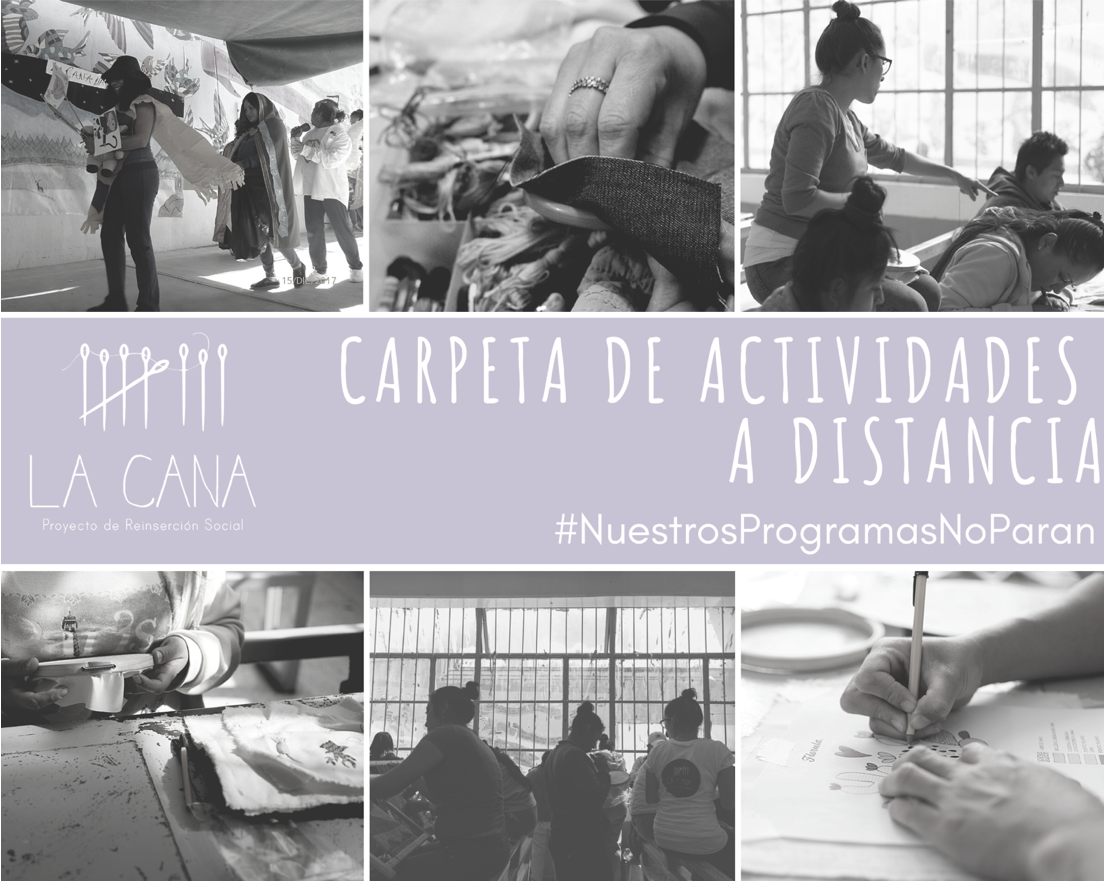
At La Cana, the well-being of our collaborators inside and outside of prison is the priority. Therefore, given the Covid-19 pandemic we are experiencing, we decided not to go to the prisons as a measure to prevent infections. However, this does not prevent us from continuing to work with our beneficiaries, so we designed a folder of activities to continue with our programs despite social distancing.
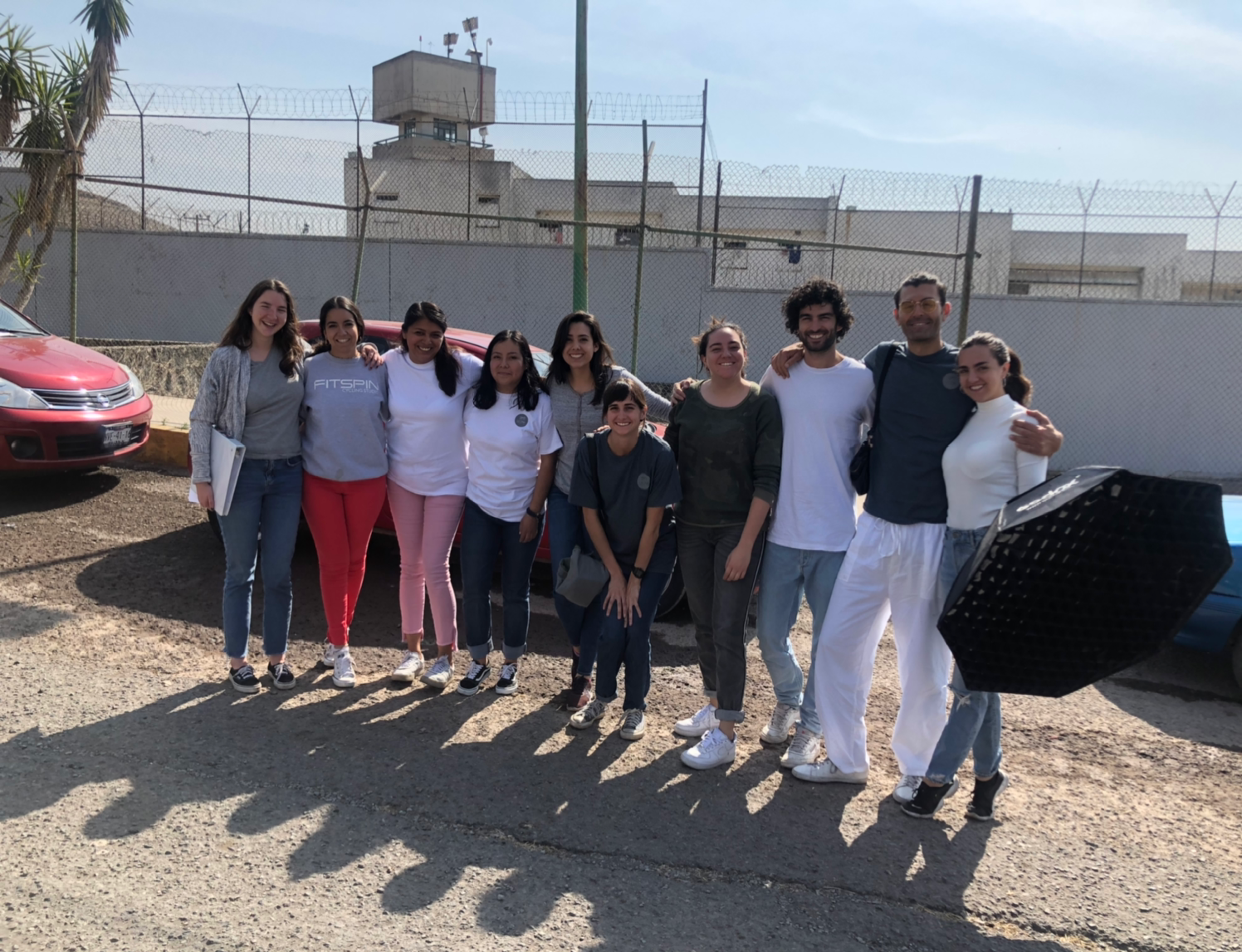
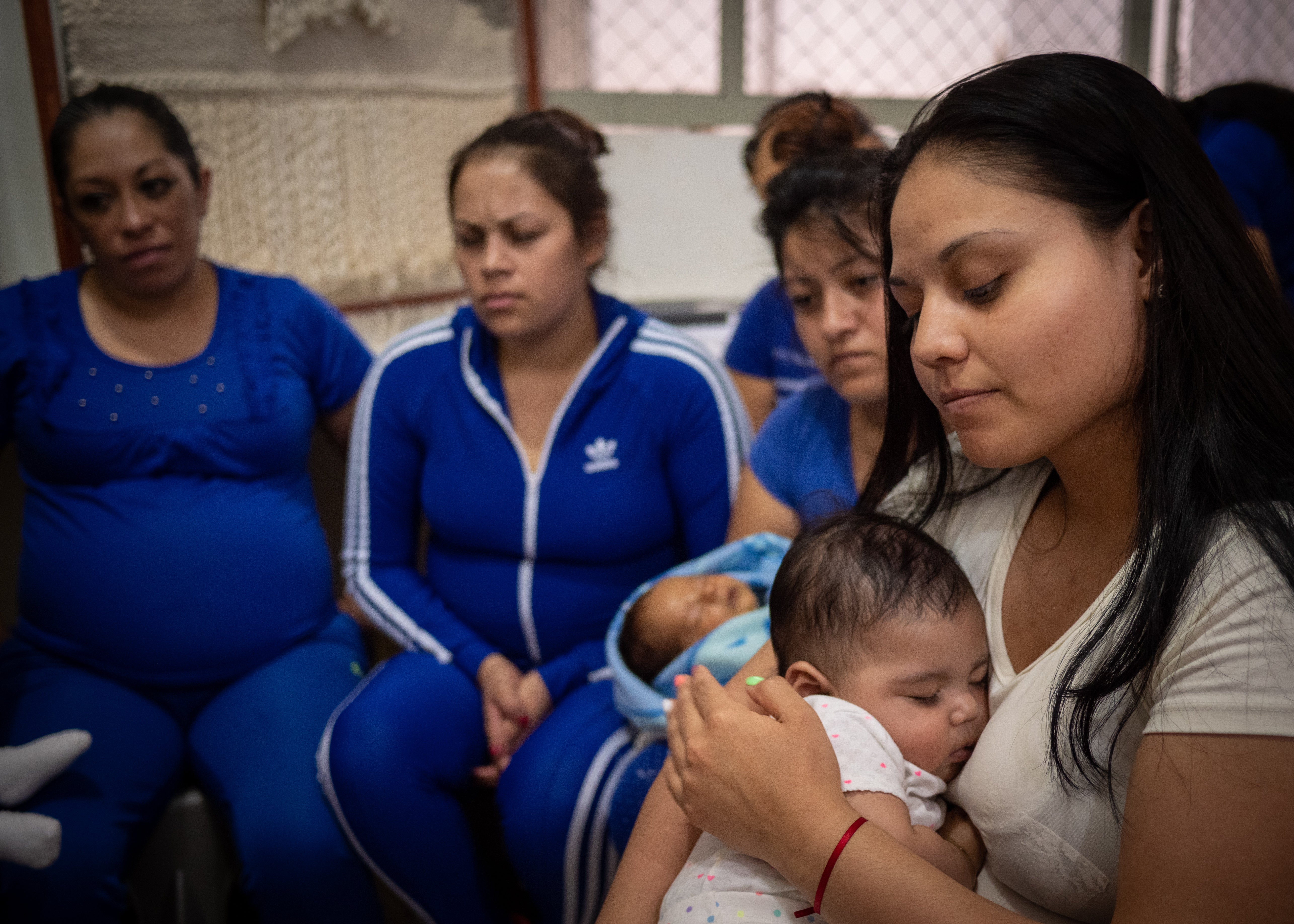
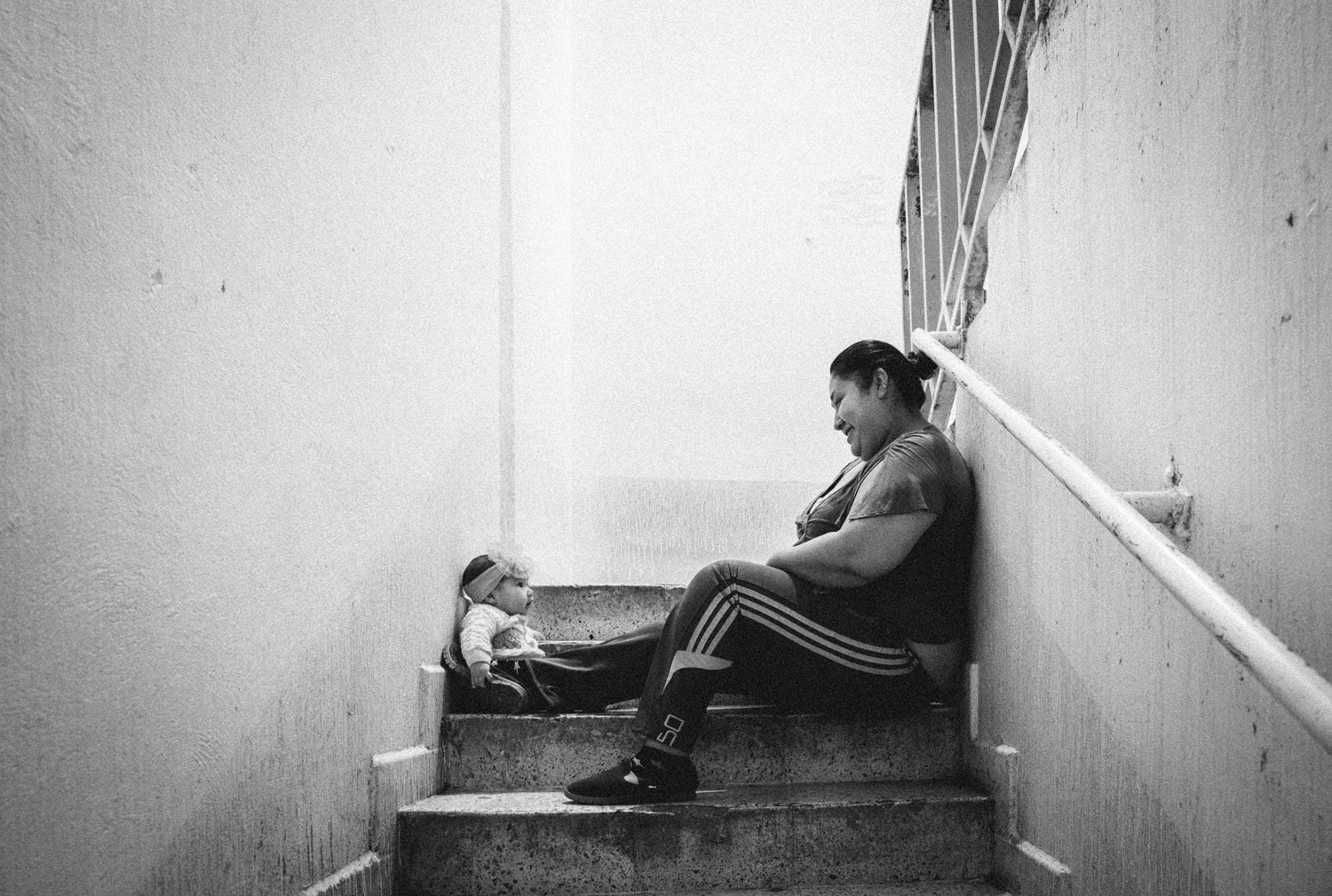
Born Guilty Forty minutes from Mexico City is the Ecatepec prison, with approximately 2,000 people deprived of their liberty; 288 are women. March 10, 2020 The brown dust produced by the arid territory takes over the road as we head there. The landscape seems painted with that sepia tone used in movies that take place on the Mexican border. These marginalized territories are infertile lands for agriculture and basic resources, but their proximity to one of the most populated cities in the world makes them an economic option for those who cannot afford the costs of urban life. The sterile conditions in such places could drive anyone mad but not before starving them to death. The opportunities that the inhabitants of this type of municipality have to earn a living are limited and almost always linked to violence and crime. Are we really born free or are some of us born guilty? ________________________________________________________________________ Outside the high walls of the Ecatepec prison, a line of approximately 50 people waits their turn to enter. They hold bags and colorful Tupperware with homemade food for their relatives inside. "La Cana!" - shouts the guard in charge, as he gives us the signal to enter. Both the security guards and the visitors look at us with suspicious eyes, as the photographic equipment we carry seems not to belong in a place that no one wants to look at. At the first security checkpoint, we leave all our personal belongings. No wallets, cell phones, or IDs can pass. We leave at that door all the tools we use not to be just a number in the file at the mercy of the system. This is the preamble to a world that some will never leave. I'm not sure what to expect. It's noon and the sun is beating down hard from above. There are few shady corners, so they represent a luxury at that moment. "Good morning" - says one of the inmates with a beautiful smile on her face. "Good morning" - we all respond in unison with a tone of surprise. They all seem to be very friendly and willing to help. I guess they simply appreciate being able to see new faces. To my left, about 20 women are taking an aerobics class in their blue sportswear. It seems to be the best part of their day. I wonder where they got their homemade patterned sweatshirts with the Adidas logo. Apparently, not even their uniforms are free in this place, but the most alarming thing of all is that the highest price is paid by the babies born here. Today, more than 800 babies live in Mexican prisons mainly because, during their years in confinement, inmates can receive marital visits. Some of these marriages happen after entering prison. In other cases, the accused were already pregnant before entering. Unfortunately, the rest of the pregnancies are the result of corruption or abuse of power, which allows encounters with other inmates or guards. These babies are born in precarious conditions and remain with their mothers until they are 3 years old, sharing a 60 cm bed, sometimes with up to two adult women, because there is not enough space for so many people. After this, the children leave prison to be handed over to a family member or, in the worst case, to DIF. - "This way, guys" - says Andrea, one of La Cana's collaborators, showing us the way. As we cross the patio, band music plays in the background, and about 30 women are sitting on the floor or on buckets washing their clothes. Light blue pants and sweatshirts hang from wall to wall as they dry in the sun. I wonder how they know which item belongs to whom. From the outside, papers are stuck to the building's windows. I imagine they are family photographs and that those who have access to the window overlooking the patio are the ones who pay the most expensive rent for their bunk. The intense reflection of the sun on the pavement dries our eyes, so we feel relief when we finally enter the building. As our pupils adapt to a contrastingly dark and cold space, an intense mix of aromas fills the air. Several women have connected small electric grills to heat and cook their food on the stairs, on the floor, or wherever there is an outlet. This happens while a Christian group reads the Bible aloud in one of the corners of what functions as a dining room, kitchen, reading space, nursery, and social gathering point. For the 288 inmates, there are only 3 rooms designated for activities where they can put their minds and hands to work. One of them is for making foam crafts, the second is for general workshops, and the last functions as a knitting and embroidery workshop. This is where La Cana participates. The women who decide to be part of this workshop have the opportunity to learn techniques and use free materials for the development of products that are sold throughout the country with the sole purpose of giving them an income to help themselves and their families while they are deprived of their liberty. With the support of La Cana, they can keep their job and thus continue to earn clean money once they are out of prison, thanks to the follow-up program. The knitting and embroidery workshop has about 4 machines, 6 tables, and is full of beautiful dolls, bedspreads, and dresses made by them with these techniques. The 10 women who have babies in this prison, hearing that we have come to collaborate on a project with them, approach us stealthily. Chio is the first to join us. Holding a baby with unruly hair only 7 weeks old in her arms, she turns to me and says - "his name is Jonathan." The baby's eyelids struggle as they allow the electric light to enter through his barely waking eyes. A very long French braid and somewhat aged freckled skin frame Chio's face and reveal an approximate age of forty. Her sad eyes tell me a story of abuse and neglect, but her mouth says nothing. She only smiles intimidated and allows me to carry the baby. “We want to give you a voice and perhaps through your story help your son get better conditions for his development. Would you like to participate? We will take your picture.” - I tell her. “A picture of me?" She asks surprised “I'm ugly and I haven't had my picture taken in a long time," she says fearfully as she licks her hair with her hand. When she sees another mother posing for the camera, she decides to be next. We photographed 7 women with their babies, and during the process, I saw how the hard shell of a story that has been told a thousand times and yet remained dusty because no one has really listened to it softened. That story speaks of a marginalized society of which we are both participants and victims, but only to the extent that we ignore it. I hope that through these photographs and these stories, that harsh reality can be confronted, recognized, and transformed so that never again should a child live a childhood without knowing what a window is. Let's open our eyes and hearts. Let's integrate these women and children by giving them a hand to weave and create their future. Everyone's future. - Chío and little Jonathan -
We urge the Senate of the Republic to approve the bill decreeing the Amnesty Law, especially in the context of the COVID-19 pandemic that our country is facing today.
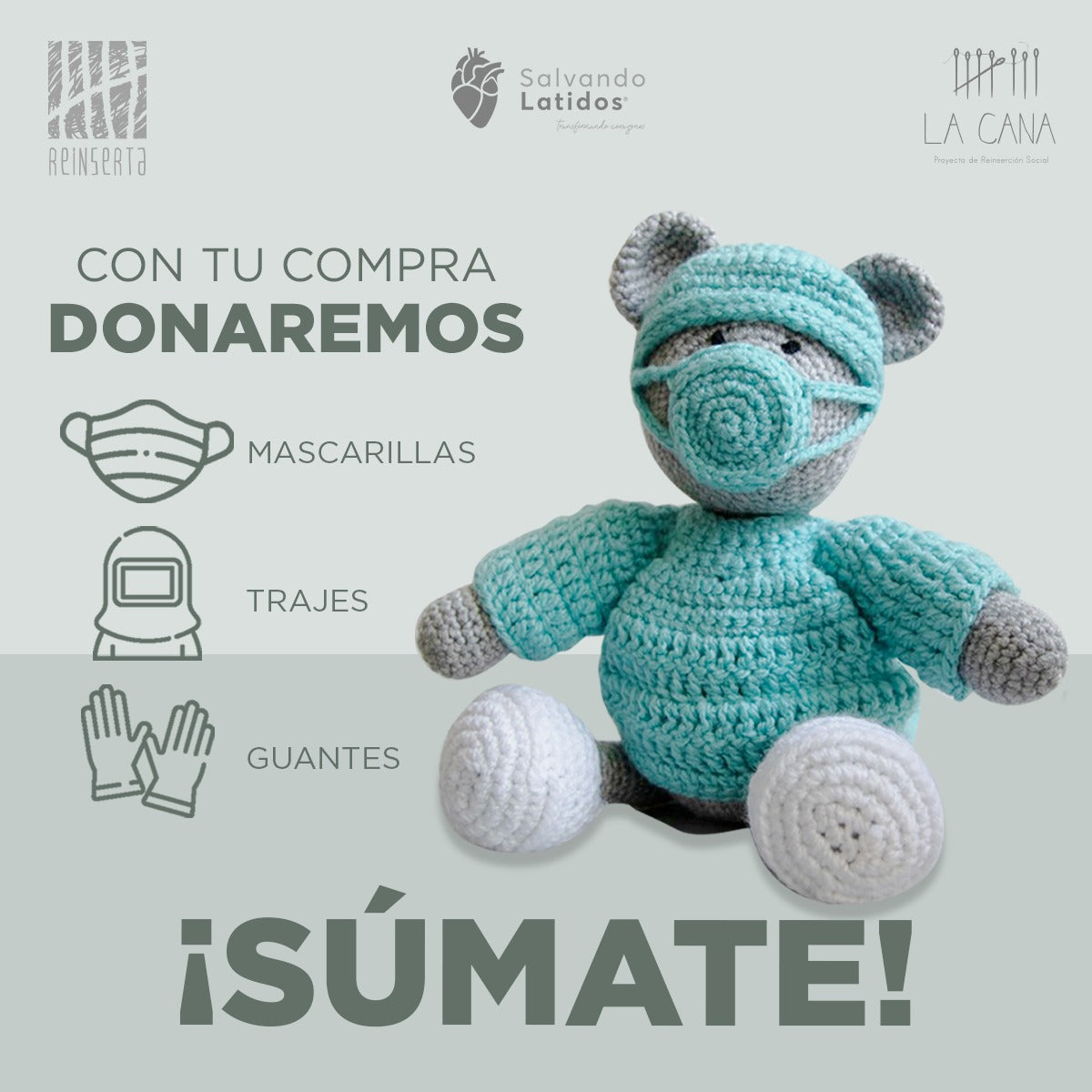
At La Cana we are concerned about the health crisis we are experiencing. We are facing a global pandemic that has unfortunately left many dead and injured. COVID-19 infection is a critical situation in which we must all collaborate to try to stop its mortality. More than 1,00,000 cases have been reported around the world, and more than 1,000 have been confirmed in Mexico. The capacity of our hospitals is exceeded by the number of people infected with coronavirus and the health personnel who directly care for patients with COVID-19 do not have the necessary protective equipment to deal with the contingency. In addition, this pandemic has brought with it a crisis that is no less worrying: the economic one. Many people have lost their jobs, and hundreds of small and medium-sized businesses are at risk of bankruptcy if the crisis continues for too long. In La Cana, we have also been affected. Our sales have decreased drastically, and therefore, the income of our weavers. In prison, this income allows them to have personal hygiene items, drinking water, soap to wash their hands and bathe, buy food, send money to their families, make phone calls, feed their children, and acquire essential products and services... The fact that they do not have this income affects not only their quality of life and subsistence in prison, but also directly affects the economy of 143 families in poverty who depend on us. For this reason, together with Reinserta and Salvando Latidos, we decided to join the campaign "SAVING THOSE WHO CARE FOR US". Our knitters created some incredible stuffed animals of Doctors and nurses, and for each product sold, we will be donating protective material to healthcare personnel in hospitals that care for patients with Covid-19. These protection kits include: - Antibacterial gel - Masks - Face mask - Protective Suit - Gloves We invite you to join this initiative, which not only supports the local economy and social reintegration, but also our heroes and heroines in scrubs who work every day to keep us healthy and safe. Staying at home does not mean that we cannot continue to help those who need it most. Today more than ever, we need you! #BuyWithACause and #StayHome https://lacana.mx/collections/heroes-y-heroinas-con-bata
DONATE HERE!: https://lacana.mx/pages/donar These weeks of confinement have redefined the way we see the world and have taught us to value our freedom. For this reason, now more than ever, we want to help those who were BORN GUILTY. In Mexico, around 800 children live in prison in undignified environments unsuitable for their development. Help us improve these conditions and fight for those who, without having committed a crime, were born guilty. For more information, continue reading. In Mexico, many children are sentenced to spend their first three years of life in prison. This is mainly due to 3 reasons. During their years in prison, women deprived of liberty can receive conjugal visits. Some marriages are contracted behind bars. In other cases, they arrived at the prison already pregnant. Unfortunately, the rest of the pregnancies are the result of encounters with other inmates and guards due to the corruption and abuse of power that exists within the prison. As a result, newborns stay with them for three years, until they are handed over to a relative or to the National System for Integral Family Development (DIF). At La Cana (@lacanamx) we have programs that seek to transform prisons into places of opportunity and social reintegration for women; however, much remains to be done, especially for the mental health and education of babies and children while they are in prison and after they leave. We are working with Kavana (@kavana.life) and Diogo Barroso Photography (@dhphotography) to shed light on this issue. We are capturing impressive moments of the lives of children and their mothers in prisons in the Mexico City Metropolitan Area. The most inspiring photos will be published in an art book, which will be intervened by the women participating in our weaving and embroidery workshops. The books will be distributed online and in photographic exhibitions to attract the attention and resources necessary to start our new programs. We are looking for collaborators interested in sponsoring the production, publication, and exhibition of the work, as well as donations to carry out the program detailed below. Let's join forces, no one was born guilty! BORN GUILTY These weeks of confinement have redefined the way in which we all approach the world and appreciate our time and freedom. This is why we want to help those who were BORN GUILTY. In Mexico, over 800 kinds live in jail in precarious and unsuitable conditions for their healthy development. Help us fight for those who were born guilty without commiting a crime. Continue reading for more information. In Mexico, many children are sentenced to spend their first three years of life in prison. There are three main reasons why this can happen. During the years in prison, inmates may receive conjugal visits. Some of these marriages are contracted behind the bars. In other cases, the accused happened to be pregnant before entering prison. Unfortunately, the rest of the pregnancies are a result of corruption or power abuse that led to encounters with other inmates or guards. The newborns stay with the mothers for three years, until they are taken away to relatives or to The National System for the Comprehensive Development of the Family (DIF). In La Cana (@lacanamx) we already run programmes to transform prisons into places of opportunity and social reintegration for women, but there is still much more that needs to be done for the babies’ psychological health and education while in prison, and after they leave it. We are working with Kavana (@kavana.life) and Diogo Barroso Photography (@dhphotography), to shed light on this issue. We are capturing impressive instants of life of the children and their mothers in the prisons of Greater Mexico City. The most inspiring shots will be published in an artist book bound by hand by the women taking part in our knitting and embroidery workshops. The books will be distributed online and in photographic exhibitions to get the attention and resources necessary to activate our future programs. We are now looking for supporters to sponsor the production, publication and exhibition of the work, and donations to carry out the program detailed below. Let’s join forces. No one was born guilty! DONATE: https://lacana.mx/pages/donar