La Cana, selected to be part of the 2023 Digital Equity Accelerator
18 Apr 2023

18 Apr 2023
18 Jun 2021
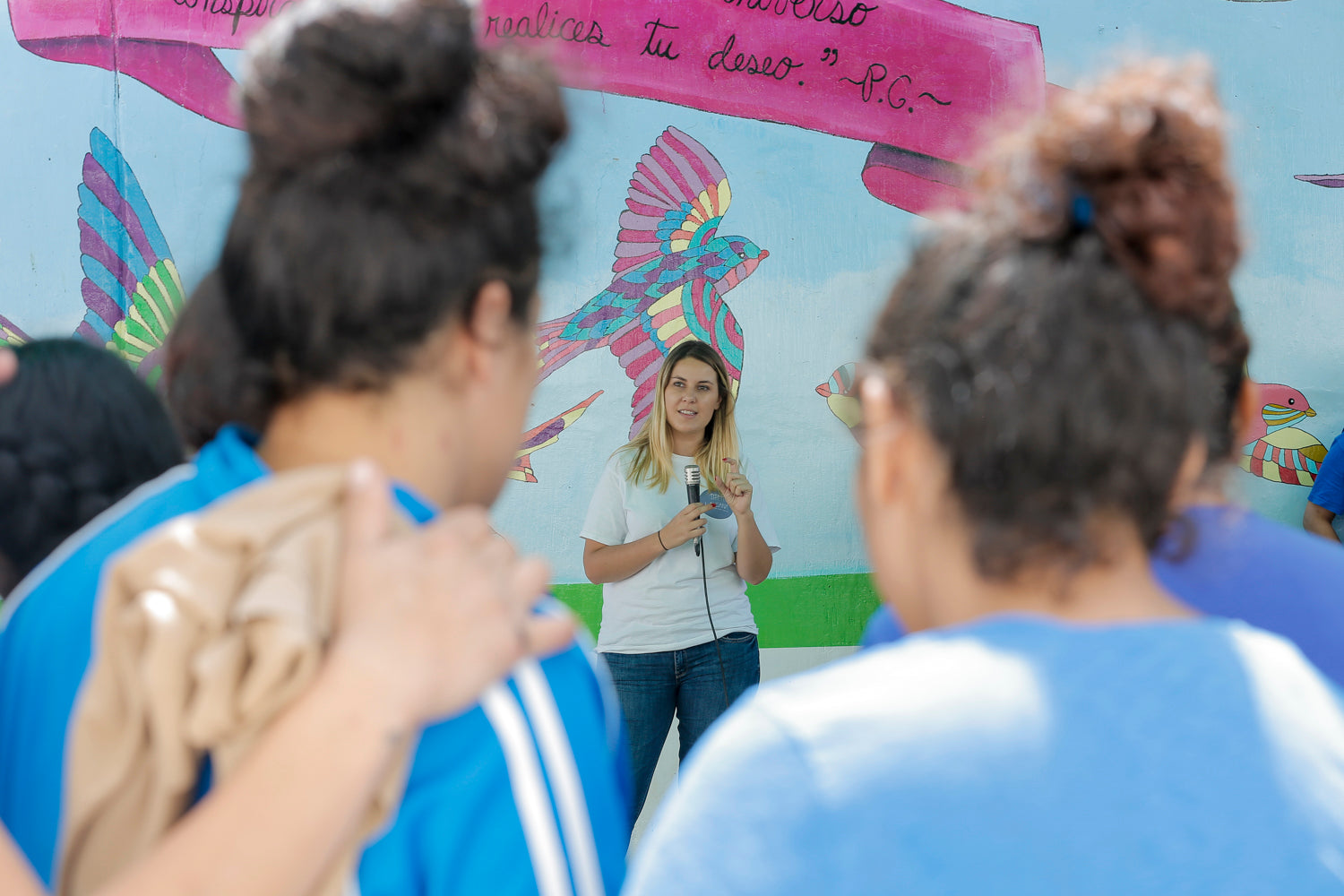
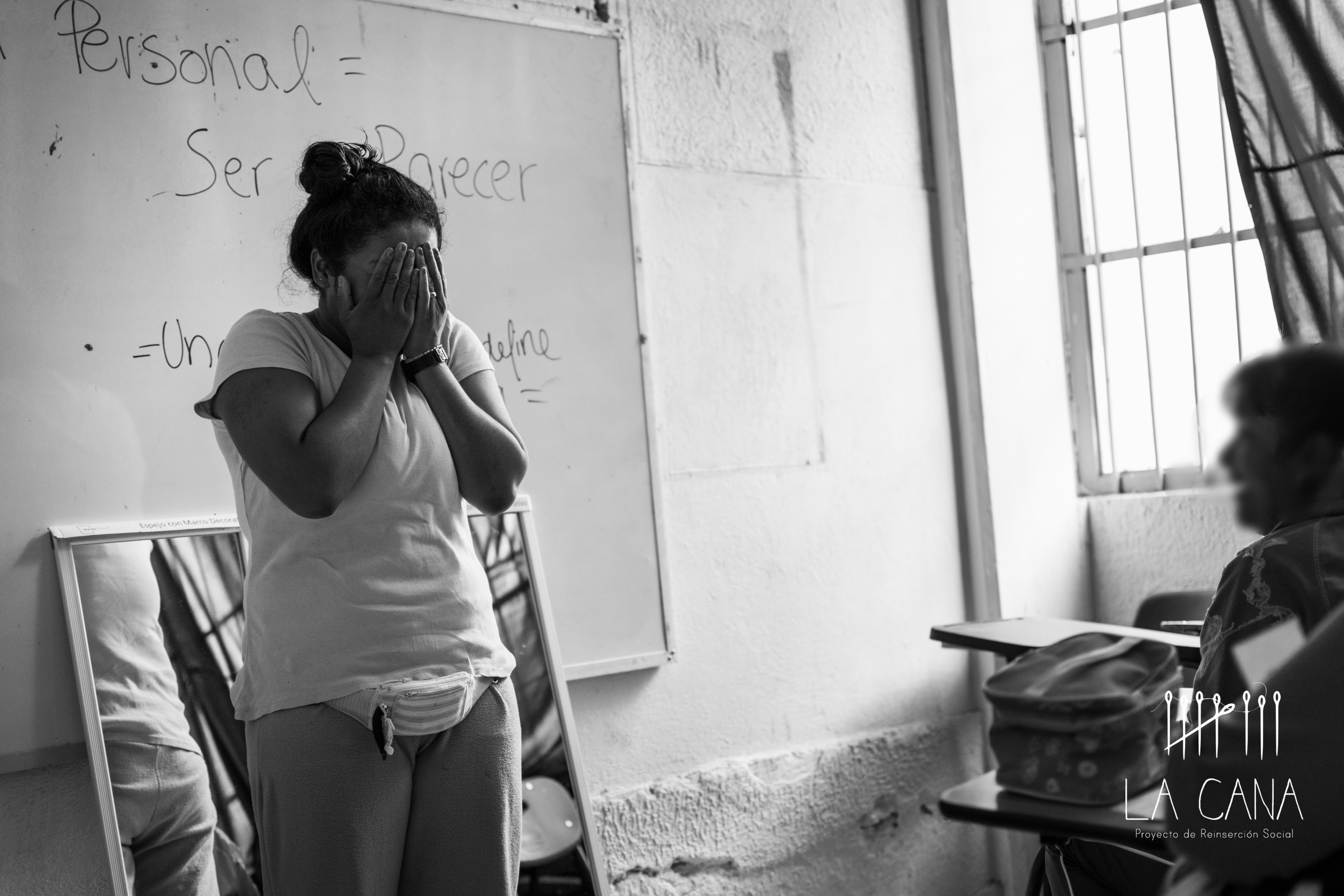
All emotions are, essentially, impulses that direct us to act, commands from our brain that evolution has granted us and that make us react automatically, so in every emotion we find the instinct to act. For this reason, during this workshop we work on identifying, first of all, using diagrams; the parts of the brain responsible for regulating emotions, their close communication with the rational mind and the emotional mind and how this relationship between the two minds produces what is called "neural hijacking" and how to identify and manage it in order to avoid irrational behaviors that lead to conflicts. Exercises were carried out to learn what an emotion is? What a feeling is? And their differences. Through playful activities, the 6 basic emotions were covered; happiness, sadness, anger, surprise, fear, disgust (Goleman, 1995) and how each of them plays a unique role in our emotional repertoire. We shared with them strategies of self-knowledge, self-regulation, motivation, empathy and how to make this a habit to properly manage the relationships they have with all the people around them. This workshop benefited 9 women in the Barrientos prison for 6 weeks, with a duration of 100 minutes per session, during the months of February and March 2020. Of the 9 women benefited, 6 reported improving their emotional self-knowledge, 6 reflected having better emotional self-regulation skills, 4 increased the ability to remain self-motivated, 5 women in total reflect a significant improvement in the ability to establish good relationships and to interact smoothly and effectively with others. Finally, 6 women reported a significant improvement in emotional training, which means that; they developed skills to recognize emotions in others, they are more assertive in expressing their emotions and are able to contribute to conflict management within their group.
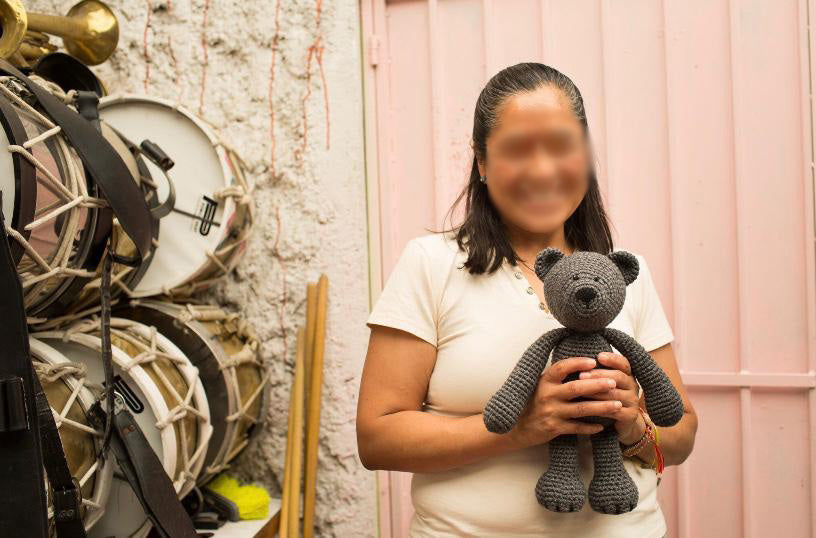
The Savings Fund is a benefit offered by companies to their employees, which consists of financial contributions made by both the company and the employees. The creation of savings funds is a labour right and should not be denied to people in prison. As part of the government's social reintegration strategy, a savings fund was created within prisons. Prisoners may or may not work within prison with formal companies, and when they work, they are given the option of having 10% of their earnings withdrawn so that upon release they can recover what they have accumulated. But one of the biggest challenges women face when they leave prison is the bureaucratic processes they have to deal with. Often, the offices are remote, they do not have the financial means or the knowledge necessary to acquire the services they were given in prison. At La Cana, we support women leaving prison in the process of recovering their prison savings. To date, we have helped more than 6 women recover the income that was withheld from them during their time in prison in order to get off to a better start. We work to support women who work in La Cana when they leave prison, and provide them with the tools to achieve their reintegration process.
Maintaining continuous and quality contact with our collaborators has always been essential in the monitoring program for their freedom, so once they are out of prison we prepare a file with data that shows us their current economic, family and social situation. Through these interviews we identify whether they have access to formal employment, housing, and other basic needs, and thus be able to provide specific and quality help. By doing this constant tracking of information, we have managed to place several women in employment with allied companies or to continue working with us, we have assisted in emergency situations and referred them to remote psychological care services. Through this ongoing communication, we seek to continue to care for their stability, motivate them to continue, support their growth, protect their rights, celebrate their achievements and support them in their defeats. But above all, we let them know that La Cana continues to support them.
One of the biggest challenges women face when they leave prison is finding a formal, well-paid job. Being free does not guarantee that they will be able to integrate fully and adequately into society. They often have not acquired or developed the skills, knowledge and abilities that the labour market demands. At La Cana we have worked hard to ensure that women in prison have the necessary tools to develop skills that will allow them to be prepared for the outside world. That is why, in partnership with other organizations, we have developed a workshop lasting approximately six months where women will learn numerical, technological, social, and personal skills. In this way, upon release, they will be one step closer to professional fulfillment and one step further away from crime. The first stage of this program consists of acquiring basic knowledge of technology and computing. Often, the women we work with have very little experience with the digital world. So, in partnership with Re-Code Mx , a workshop will be held so that they can learn the basic functions of computing, the use of the Internet, Microsoft Office, emails and social networks. This workshop is designed for groups of 15 women and has a theoretical-practical methodology. It was designed for people who are starting out with their first computer, or want to learn more about how computers work. At the end of this workshop, students will be able to move on to the second stage, which is the development of skills for the future. In partnership with Creando Tu Futuro , a workshop will be held consisting of four modules where we seek to strengthen and develop fundamental techniques and skills for successful performance in the formal labor market. This workshop is designed for women deprived of their liberty who are about to be released from prison. Women will have the necessary material to access the content and will have in-person and virtual tutoring that reinforces the platform's lessons to achieve better results. At the end of both workshops and after regaining their freedom, La Cana and Creando Tu Futuro will help the women to find a formal job, so that they can aspire to rebuild a dignified life. By having legal employment we are contributing to preventing recidivism. If you are interested in donating a laptop to help us carry out this program, please send an email to donativos@lacana.mx .
#OurProgramsDon'tStop For us, mental health care has been one of our most important programs, as we know the relevance of working from this point to achieve a successful reintegration. As part of the follow-up program in freedom, since April 2020, we have initiated remote psychological care. This resource was made available to the 17 women who are currently free and who remain in contact with us. By conducting an assessment and making a strong commitment, we have also managed to mainly care for their children who require attention. Our best ally to promote this mode of care has been technology, as we use virtual communication platforms, thus facilitating access to the service without the need for displacement. Care is provided once a week, with 50-minute sessions. We have formed a team of male and female psychologists and therapists with experience in different areas of clinical psychology who primarily provide care to women, children, and adolescents.
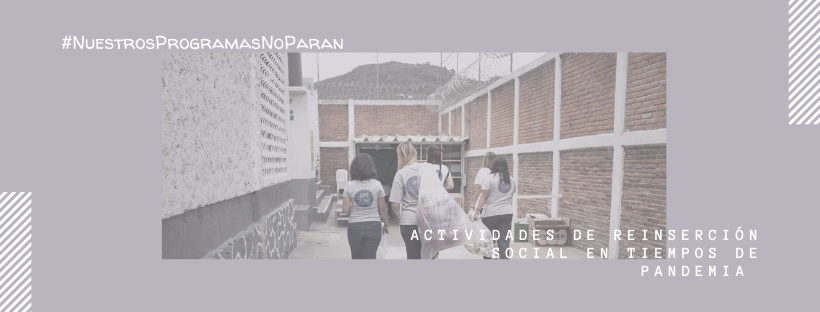
#OurProgramsDon'tStop In recent months we have experienced social isolation due to the Covid-19 pandemic, which has allowed us to take advantage of all the online and television activities we could, we have become bakers making banana bread or dalgona coffee; and we have even resumed the exercise we had abandoned thanks to social media classes; however, we have not stopped hearing about people who have become depressed, many others can no longer stand their families or roommates, and there is even evidence of an increase in gender-based violence in homes. Today more than ever, we realize that isolation can lead to damage to our physical and emotional integrity. This context can provide us with an opportunity to feel more empathy for people who are deprived of their liberty, who become a vulnerable group due to the risk of Covid-19 contagion because of overcrowding in prisons, which could become an amplifying effect; in this sense, prisons have taken various prevention measures such as the use of personal protective equipment for workers and people deprived of their liberty, assessment points upon entry, reorganization of weekly visits, and even the early release of some individuals. Given these circumstances, at La Cana, our main social reintegration work has been affected in our pillars of Mental Health and Education, Art, Culture, and Sports, which are fundamental to preventing negative effects on the emotional and physical health of the women deprived of liberty with whom we work; so we took on the task of collecting various activities that will allow them to keep their minds and bodies busy, ranging from brain gymnastics exercises, through English classes, to functional exercises; in addition to designing activities that they can do weekly and send us their progress, such as the book club, which thanks to all our donors and social service team, it was possible to collect 100 copies of "The Little Prince." Thus, the activity kits include books, notebooks, pencils, watercolors, and the activity folder that will guide them: Without a doubt, this social distancing has been difficult for everyone, and at La Cana, we miss spending time with the girls who participate in our activities, so we added a special message for them, full of hope and love. Today we thank those who made it possible to send these materials to women deprived of their liberty, through their donations.