La Cana, selected to be part of the 2023 Digital Equity Accelerator
18 Apr 2023

18 Apr 2023
18 Jun 2021
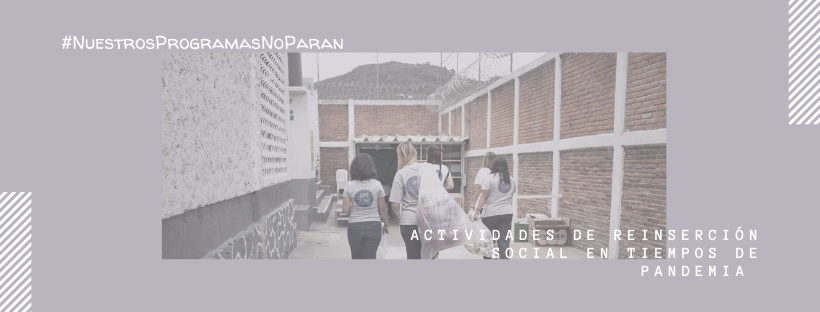
#OurProgramsDon'tStop In recent months we have experienced social isolation due to the Covid-19 pandemic, which has allowed us to take advantage of all the online and television activities we could, we have become bakers making banana bread or dalgona coffee; and we have even resumed the exercise we had abandoned thanks to social media classes; however, we have not stopped hearing about people who have become depressed, many others can no longer stand their families or roommates, and there is even evidence of an increase in gender-based violence in homes. Today more than ever, we realize that isolation can lead to damage to our physical and emotional integrity. This context can provide us with an opportunity to feel more empathy for people who are deprived of their liberty, who become a vulnerable group due to the risk of Covid-19 contagion because of overcrowding in prisons, which could become an amplifying effect; in this sense, prisons have taken various prevention measures such as the use of personal protective equipment for workers and people deprived of their liberty, assessment points upon entry, reorganization of weekly visits, and even the early release of some individuals. Given these circumstances, at La Cana, our main social reintegration work has been affected in our pillars of Mental Health and Education, Art, Culture, and Sports, which are fundamental to preventing negative effects on the emotional and physical health of the women deprived of liberty with whom we work; so we took on the task of collecting various activities that will allow them to keep their minds and bodies busy, ranging from brain gymnastics exercises, through English classes, to functional exercises; in addition to designing activities that they can do weekly and send us their progress, such as the book club, which thanks to all our donors and social service team, it was possible to collect 100 copies of "The Little Prince." Thus, the activity kits include books, notebooks, pencils, watercolors, and the activity folder that will guide them: Without a doubt, this social distancing has been difficult for everyone, and at La Cana, we miss spending time with the girls who participate in our activities, so we added a special message for them, full of hope and love. Today we thank those who made it possible to send these materials to women deprived of their liberty, through their donations.
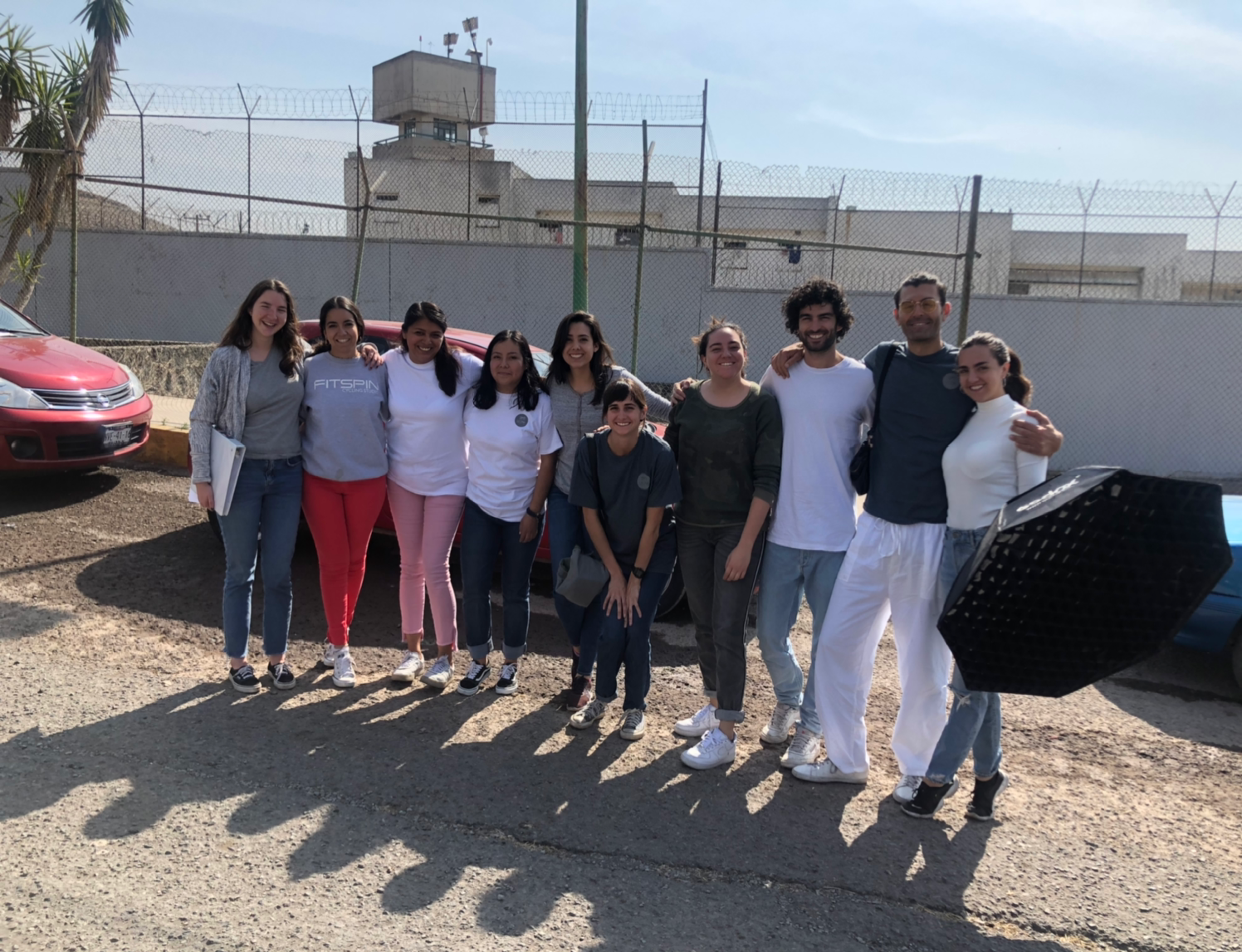
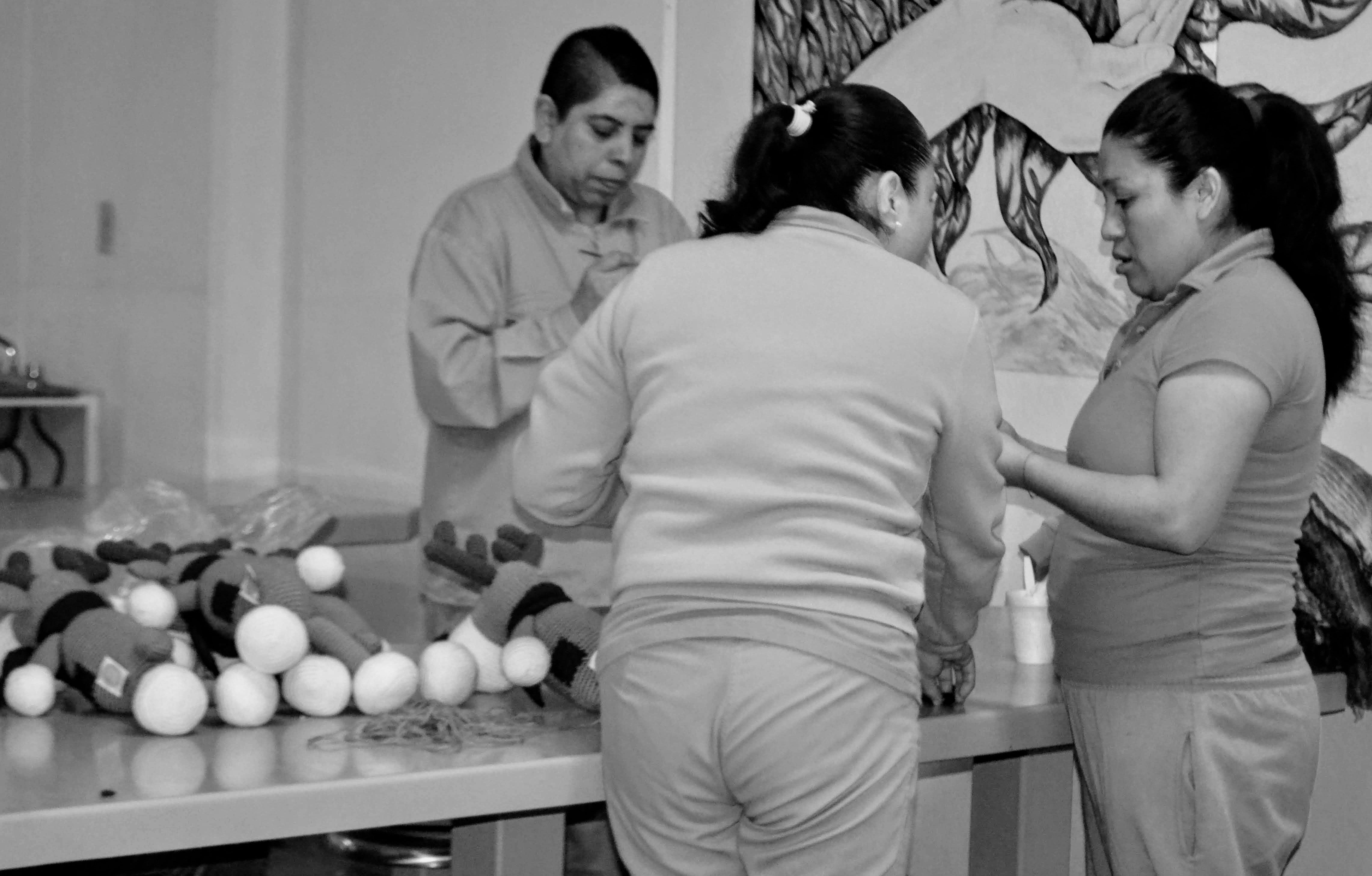
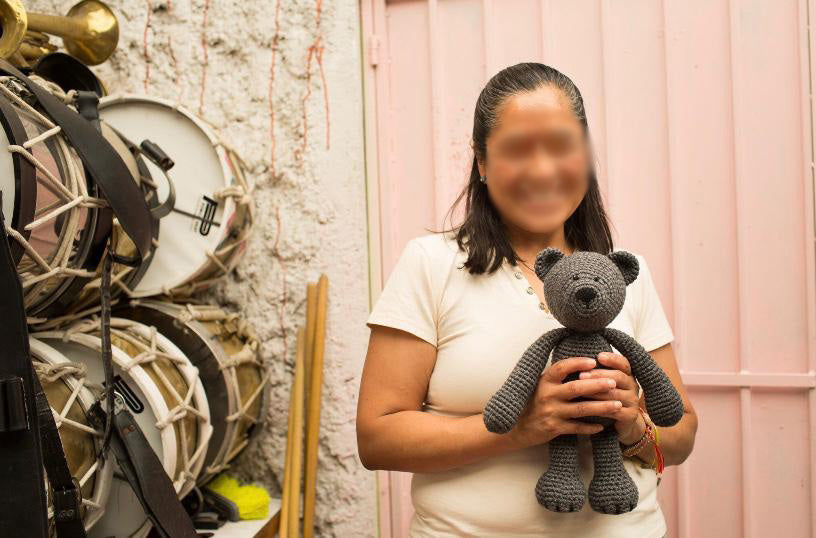
Born Guilty Forty minutes from Mexico City is the Ecatepec prison, with approximately 2,000 people deprived of their liberty; 288 are women. March 10, 2020 The brown dust produced by the arid territory takes over the road as we head there. The landscape seems painted with that sepia tone used in movies that take place on the Mexican border. These marginalized territories are infertile lands for agriculture and basic resources, but their proximity to one of the most populated cities in the world makes them an economic option for those who cannot afford the costs of urban life. The sterile conditions in such places could drive anyone mad but not before starving them to death. The opportunities that the inhabitants of this type of municipality have to earn a living are limited and almost always linked to violence and crime. Are we really born free or are some of us born guilty? ________________________________________________________________________ Outside the high walls of the Ecatepec prison, a line of approximately 50 people waits their turn to enter. They hold bags and colorful Tupperware with homemade food for their relatives inside. "La Cana!" - shouts the guard in charge, as he gives us the signal to enter. Both the security guards and the visitors look at us with suspicious eyes, as the photographic equipment we carry seems not to belong in a place that no one wants to look at. At the first security checkpoint, we leave all our personal belongings. No wallets, cell phones, or IDs can pass. We leave at that door all the tools we use not to be just a number in the file at the mercy of the system. This is the preamble to a world that some will never leave. I'm not sure what to expect. It's noon and the sun is beating down hard from above. There are few shady corners, so they represent a luxury at that moment. "Good morning" - says one of the inmates with a beautiful smile on her face. "Good morning" - we all respond in unison with a tone of surprise. They all seem to be very friendly and willing to help. I guess they simply appreciate being able to see new faces. To my left, about 20 women are taking an aerobics class in their blue sportswear. It seems to be the best part of their day. I wonder where they got their homemade patterned sweatshirts with the Adidas logo. Apparently, not even their uniforms are free in this place, but the most alarming thing of all is that the highest price is paid by the babies born here. Today, more than 800 babies live in Mexican prisons mainly because, during their years in confinement, inmates can receive marital visits. Some of these marriages happen after entering prison. In other cases, the accused were already pregnant before entering. Unfortunately, the rest of the pregnancies are the result of corruption or abuse of power, which allows encounters with other inmates or guards. These babies are born in precarious conditions and remain with their mothers until they are 3 years old, sharing a 60 cm bed, sometimes with up to two adult women, because there is not enough space for so many people. After this, the children leave prison to be handed over to a family member or, in the worst case, to DIF. - "This way, guys" - says Andrea, one of La Cana's collaborators, showing us the way. As we cross the patio, band music plays in the background, and about 30 women are sitting on the floor or on buckets washing their clothes. Light blue pants and sweatshirts hang from wall to wall as they dry in the sun. I wonder how they know which item belongs to whom. From the outside, papers are stuck to the building's windows. I imagine they are family photographs and that those who have access to the window overlooking the patio are the ones who pay the most expensive rent for their bunk. The intense reflection of the sun on the pavement dries our eyes, so we feel relief when we finally enter the building. As our pupils adapt to a contrastingly dark and cold space, an intense mix of aromas fills the air. Several women have connected small electric grills to heat and cook their food on the stairs, on the floor, or wherever there is an outlet. This happens while a Christian group reads the Bible aloud in one of the corners of what functions as a dining room, kitchen, reading space, nursery, and social gathering point. For the 288 inmates, there are only 3 rooms designated for activities where they can put their minds and hands to work. One of them is for making foam crafts, the second is for general workshops, and the last functions as a knitting and embroidery workshop. This is where La Cana participates. The women who decide to be part of this workshop have the opportunity to learn techniques and use free materials for the development of products that are sold throughout the country with the sole purpose of giving them an income to help themselves and their families while they are deprived of their liberty. With the support of La Cana, they can keep their job and thus continue to earn clean money once they are out of prison, thanks to the follow-up program. The knitting and embroidery workshop has about 4 machines, 6 tables, and is full of beautiful dolls, bedspreads, and dresses made by them with these techniques. The 10 women who have babies in this prison, hearing that we have come to collaborate on a project with them, approach us stealthily. Chio is the first to join us. Holding a baby with unruly hair only 7 weeks old in her arms, she turns to me and says - "his name is Jonathan." The baby's eyelids struggle as they allow the electric light to enter through his barely waking eyes. A very long French braid and somewhat aged freckled skin frame Chio's face and reveal an approximate age of forty. Her sad eyes tell me a story of abuse and neglect, but her mouth says nothing. She only smiles intimidated and allows me to carry the baby. “We want to give you a voice and perhaps through your story help your son get better conditions for his development. Would you like to participate? We will take your picture.” - I tell her. “A picture of me?" She asks surprised “I'm ugly and I haven't had my picture taken in a long time," she says fearfully as she licks her hair with her hand. When she sees another mother posing for the camera, she decides to be next. We photographed 7 women with their babies, and during the process, I saw how the hard shell of a story that has been told a thousand times and yet remained dusty because no one has really listened to it softened. That story speaks of a marginalized society of which we are both participants and victims, but only to the extent that we ignore it. I hope that through these photographs and these stories, that harsh reality can be confronted, recognized, and transformed so that never again should a child live a childhood without knowing what a window is. Let's open our eyes and hearts. Let's integrate these women and children by giving them a hand to weave and create their future. Everyone's future. - Chío and little Jonathan -
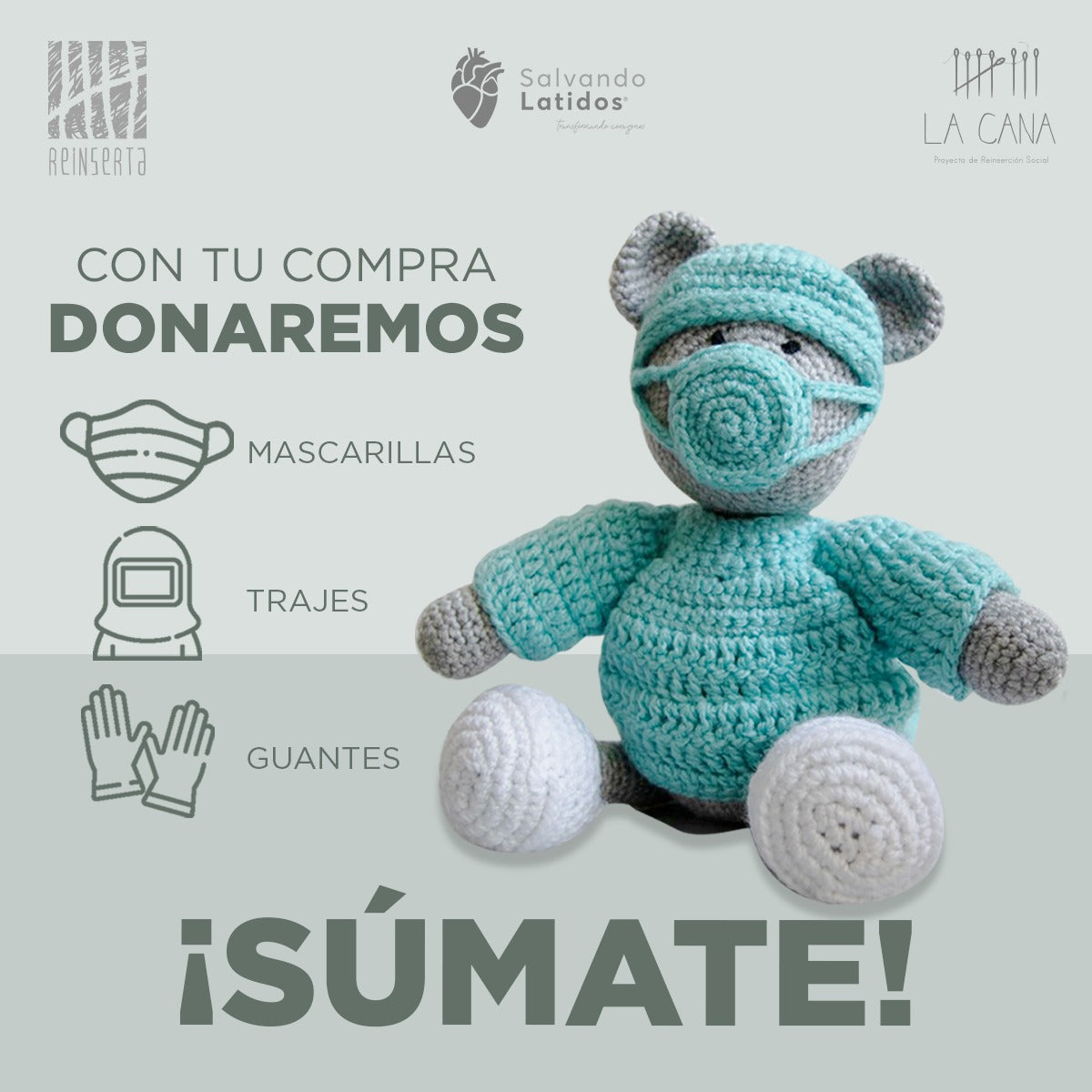
At La Cana we are concerned about the health crisis we are experiencing. We are facing a global pandemic that has unfortunately left many dead and injured. COVID-19 infection is a critical situation in which we must all collaborate to try to stop its mortality. More than 1,00,000 cases have been reported around the world, and more than 1,000 have been confirmed in Mexico. The capacity of our hospitals is exceeded by the number of people infected with coronavirus and the health personnel who directly care for patients with COVID-19 do not have the necessary protective equipment to deal with the contingency. In addition, this pandemic has brought with it a crisis that is no less worrying: the economic one. Many people have lost their jobs, and hundreds of small and medium-sized businesses are at risk of bankruptcy if the crisis continues for too long. In La Cana, we have also been affected. Our sales have decreased drastically, and therefore, the income of our weavers. In prison, this income allows them to have personal hygiene items, drinking water, soap to wash their hands and bathe, buy food, send money to their families, make phone calls, feed their children, and acquire essential products and services... The fact that they do not have this income affects not only their quality of life and subsistence in prison, but also directly affects the economy of 143 families in poverty who depend on us. For this reason, together with Reinserta and Salvando Latidos, we decided to join the campaign "SAVING THOSE WHO CARE FOR US". Our knitters created some incredible stuffed animals of Doctors and nurses, and for each product sold, we will be donating protective material to healthcare personnel in hospitals that care for patients with Covid-19. These protection kits include: - Antibacterial gel - Masks - Face mask - Protective Suit - Gloves We invite you to join this initiative, which not only supports the local economy and social reintegration, but also our heroes and heroines in scrubs who work every day to keep us healthy and safe. Staying at home does not mean that we cannot continue to help those who need it most. Today more than ever, we need you! #BuyWithACause and #StayHome https://lacana.mx/collections/heroes-y-heroinas-con-bata
The penitentiary system must provide the necessary means for people deprived of liberty to exercise their rights and achieve social reinsertion. A fundamental means to achieve this is work; however, there is no adequate regulation that contributes to the generation of skills and opportunities for dignified and paid employment in prison. In Mexico, there are around 200,000 people deprived of liberty. The majority are young people of productive age from impoverished backgrounds. Recidivism rates reach 25% of people released from prison, who find it very difficult to re-enter the labor market. Currently, opportunities to develop productive activities within prison are minimal. The absence of regulations for work inside correctional facilities has, on the one hand, allowed for human rights violations and labor exploitation and, on the other hand, has discouraged private sector participation in providing employment opportunities. For this reason, at La Cana, we are promoting an initiative to regulate and promote prison labor. Through a reform of the National Law on Criminal Enforcement, it is proposed to incorporate rules for prison labor, in order to guarantee basic conditions and benefits for workers, create a favorable environment so that more people can provide dignified employment opportunities that help people have tools to avoid returning to crime and the same offenses once they are released. Prison labor must allow people to meet personal needs within prison, contribute to their families outside, and obtain resources to cover the reparation of damages caused to their victims. — That is why we invite you to join this campaign. Only with your support will we take the first step to transform our country's prisons into places of opportunity. How can I help? Follow La Cana's social media. Facebook, Instagram and Twitter Tweet/post about the campaign. From February 12 to March 9, we will begin positioning the campaign, whose official launch will be on March 10. During these days, it would help us a lot if you publish one of these tweets/copies accompanied by the image we are attaching in this email: Did you know that in Mexico, 1 out of 4 people re-offend after leaving prison, and 52% do so within the first 2 years of their release? Let's stop this revolving door #ProductivePrison #BetterReintegration @lacanamx Tweet #MejorReinserción Did you know that 66% of the prison population comes from poverty, and within prison, they are not offered dignified work opportunities that allow them to build a life away from crime?#ProductivePrison #BetterReintegration @lacanamx Tweet #MejorReinserción Currently, opportunities to develop productive activities within prison are minimal. Did you know that 66% of prisons do not have enough work and training activities? #ProductivePrison #BetterReintegration @lacanamx Tweet #MejorReinserción Crimes continue to be committed from prison every day, largely due to the lack of dignified and paid work opportunities and the need to cover the expenses of the inmates. Let's promote #ProductivePrison #BetterReintegration @lacanamx Tweet #MejorReinserción Did you know that over 80% of women in prison have children? Within the penal institution, they are not offered enough work activities to cover their expenses. Let's create the conditions for more employment opportunities within prison. #BetterReintegration @lacanamx Tweet #MejorReinserción The difficulties people face in finding employment after leaving prison cause them to resort to crime as a way of life. Let's advocate for a penitentiary system that promotes job training and employment #BetterReintegration @lacanamx Tweet #MejorReinserción Retweet, Repost, and share! Help us share the information and stories of the #BetterReintegration campaign with your community on Facebook, Twitter, and Instagram. Your retweet or share will allow us to reach many more people. During the month of February, we will send you various videos and images that you can continue to share with your community. — Thank you for helping us spread this campaign. We are confident that together we can achieve significant change!
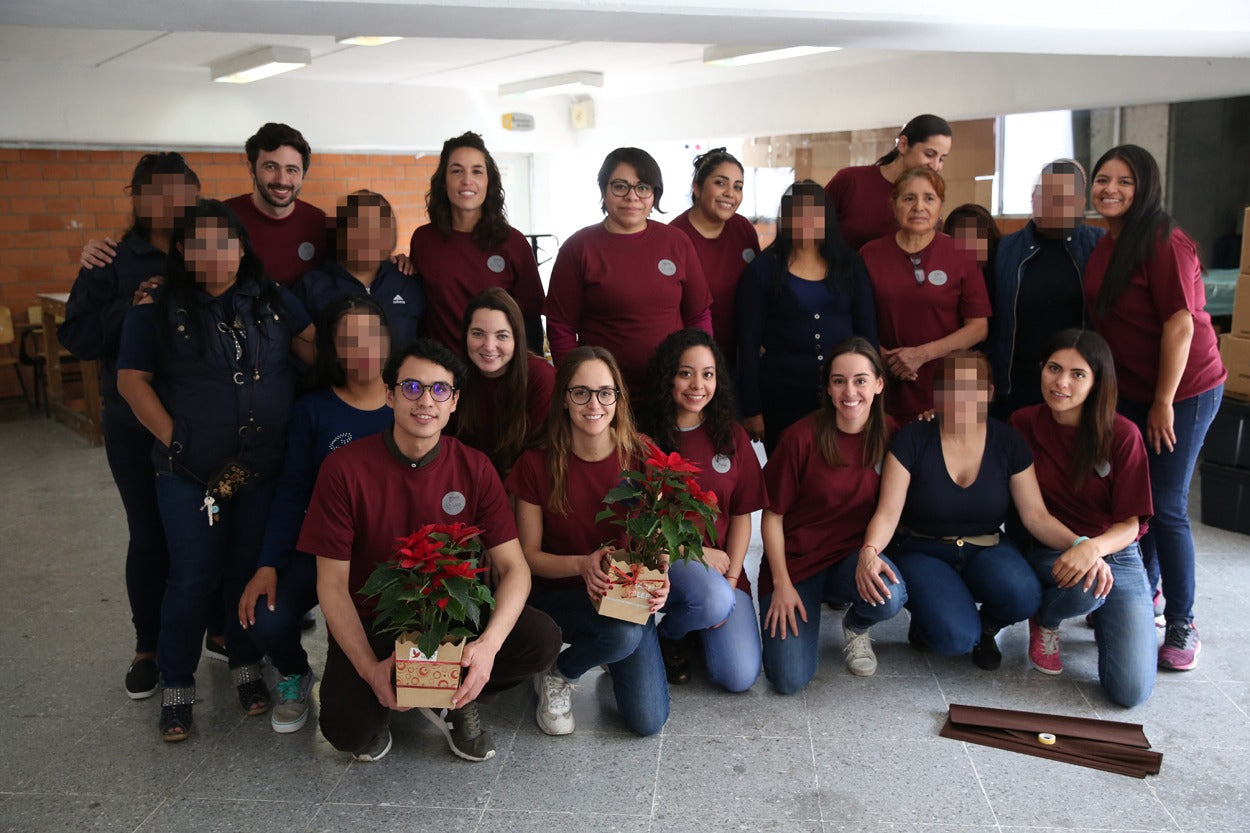
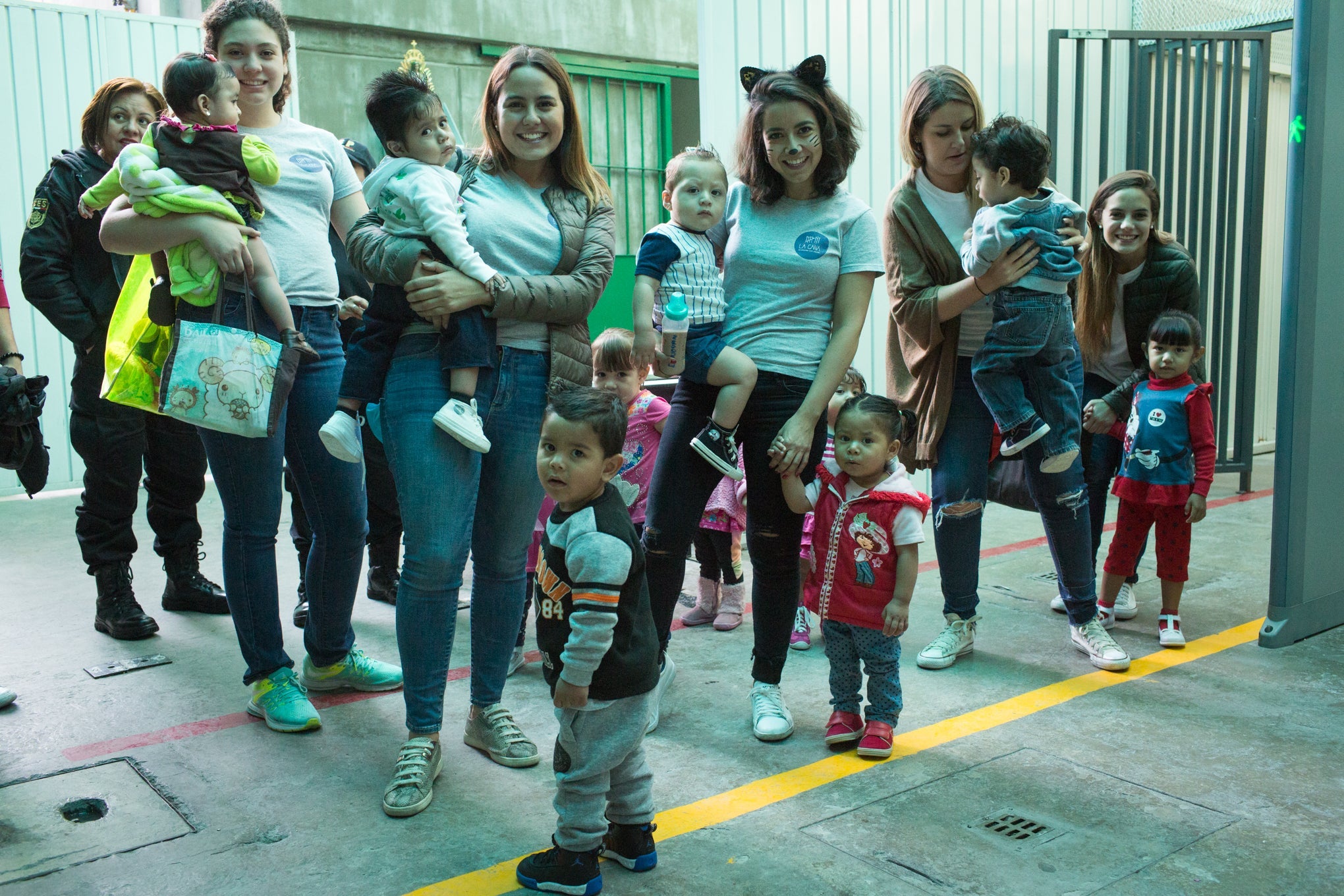
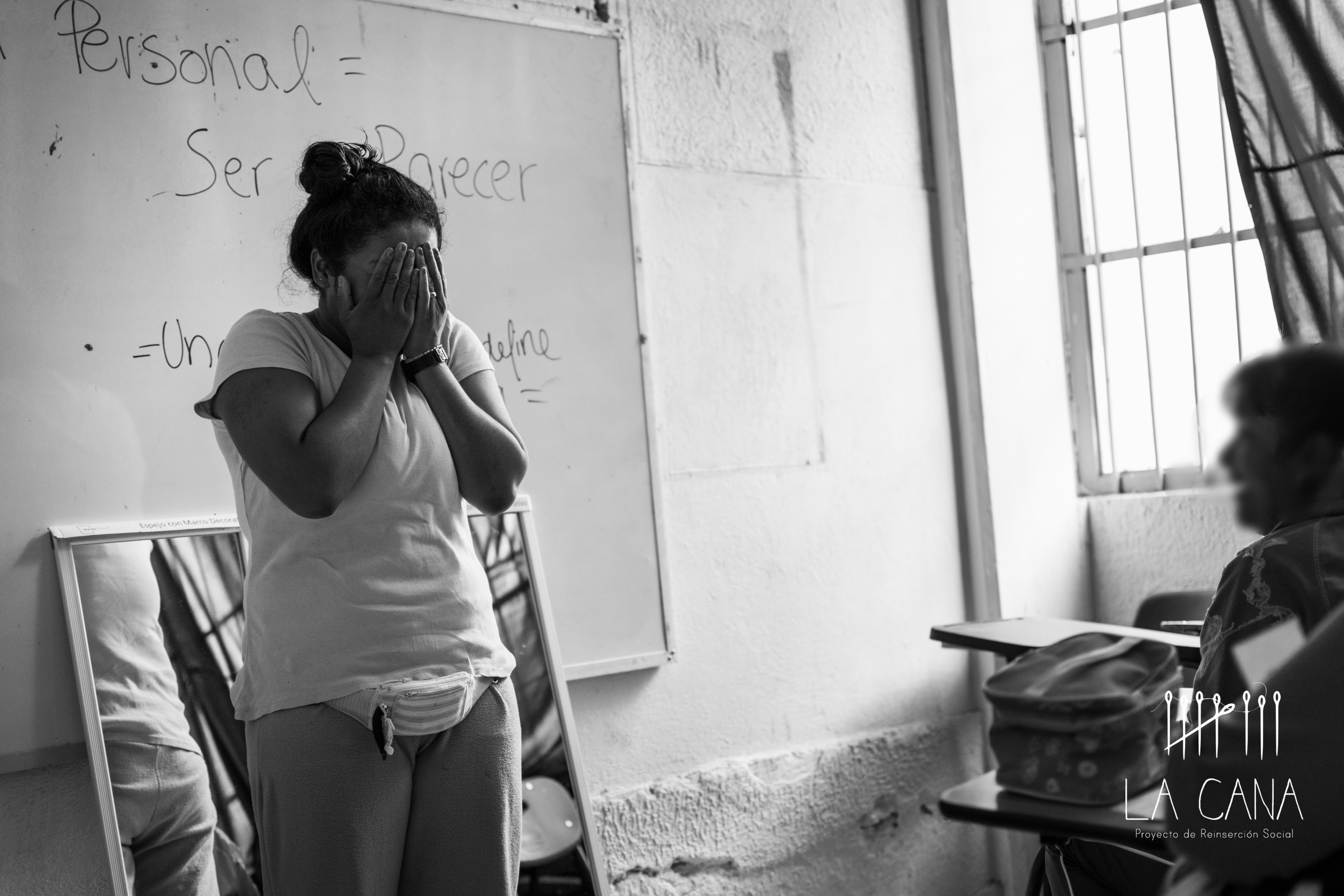
2019 Edition Santa Martha Acatitla On December 4th, La Cana, along with volunteers from the British Council Mexico, Cats With a Heart, and FES Aragon, celebrated our first Christmas posada with the inmates of this prison. We organized various games and integration activities that allowed us to get to know each other better and have fun. We also held a conference on Personal Development and distributed personal hygiene kits that we received from your donations. Thank you very much for joining us! Barrientos Prison On Tuesday, December 10th, we celebrated our posada at this prison, accompanying and celebrating the holiday season with our weavers. Our volunteer, Maria Sánchez de Tagle, led a ceremony to close the year and leave behind all negative energies, so that every day of 2020 we can grow more and together continue to support more women. Many thanks to everyone who supports us in making this possible!
Through our volunteer programs, we organize events within the prisons such as Christmas posadas, Mother's Day celebrations, personal hygiene product drives, among others. Join the cause! Do you want to be a La Cana volunteer? Click here to fill out the form! See more